A Step-by-Step Guide to Residential Demolition Projects


Introduction to Residential Demolition
Residential demolition can be an essential step in home renovation, redevelopment, or clearing unsafe structures. It involves several stages, from planning to execution, each requiring careful attention to detail. Understanding the process helps ensure a smooth and successful project.
Before diving into the demolition itself, it's crucial to have a comprehensive plan. This plan will guide you through the necessary permits, safety measures, and equipment needed to complete the project efficiently.
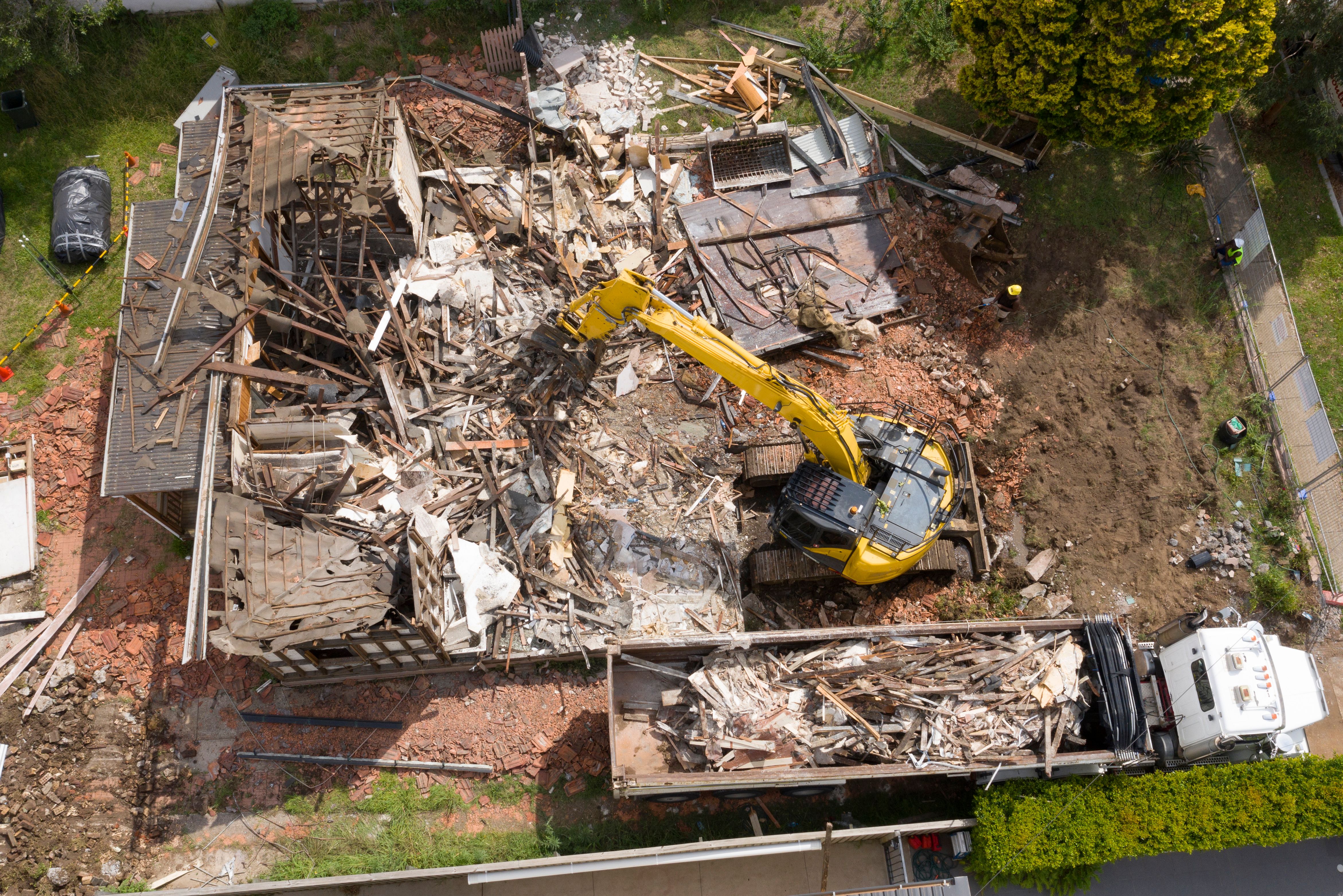
Planning and Permits
The first step in any demolition project is obtaining the appropriate permits. Contact your local government office to understand the regulations and requirements specific to your area. Without the proper permits, you could face legal challenges or fines.
Once you have the necessary permissions, create a detailed plan outlining the scope of the project. This plan should include timelines, budgets, and a list of materials to be salvaged or recycled. A clear plan sets the foundation for a successful demolition.
Safety First
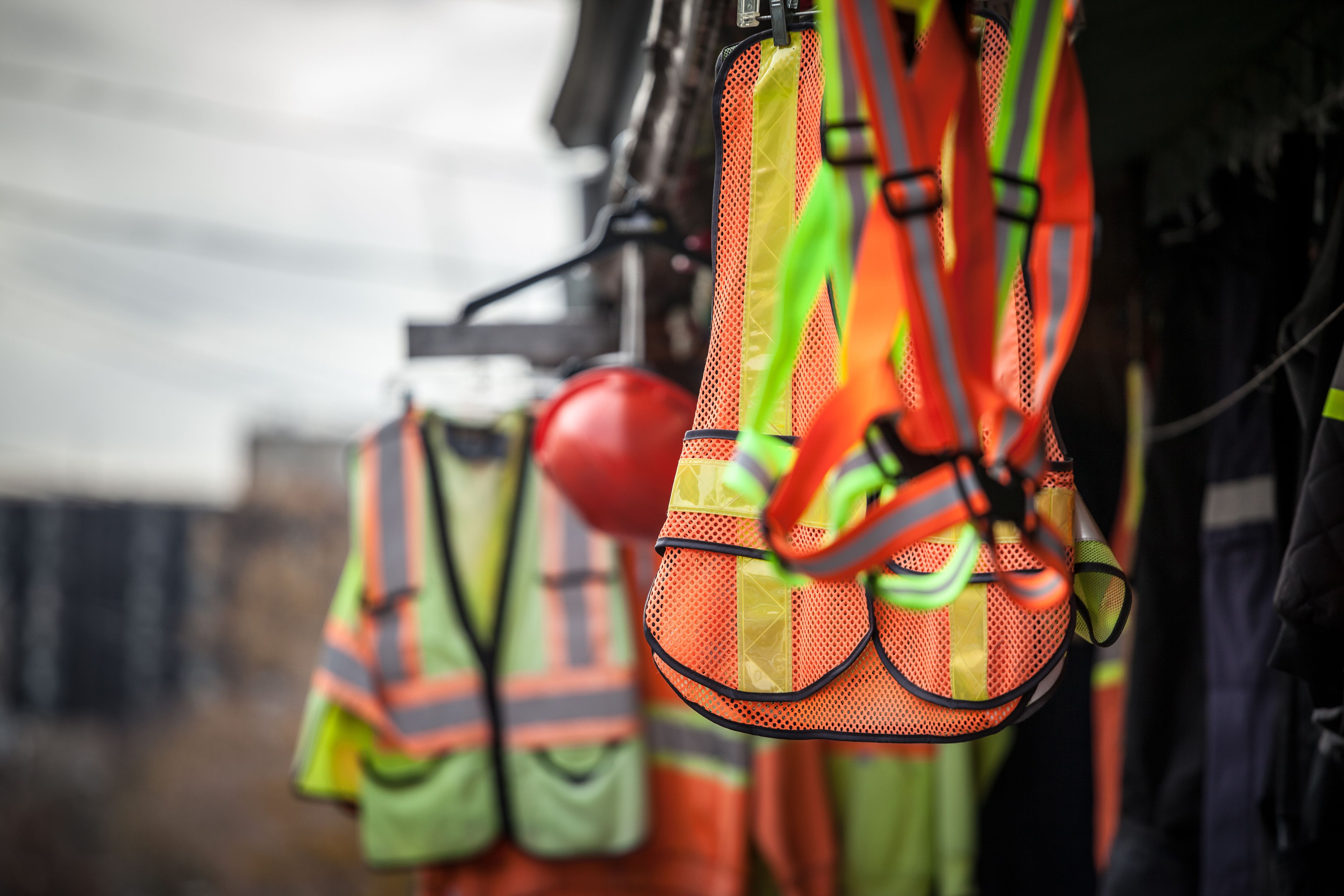
Safety is paramount in demolition projects. Ensure that everyone involved is aware of the safety protocols and has the proper protective gear. This includes hard hats, gloves, and eye protection. Additionally, have a first-aid kit readily available on-site.
Conduct a thorough inspection of the site to identify any hazardous materials, such as asbestos or lead. If these materials are present, hire a professional to handle their safe removal. Proper safety measures protect you and your team from potential health risks.
Choosing the Right Equipment
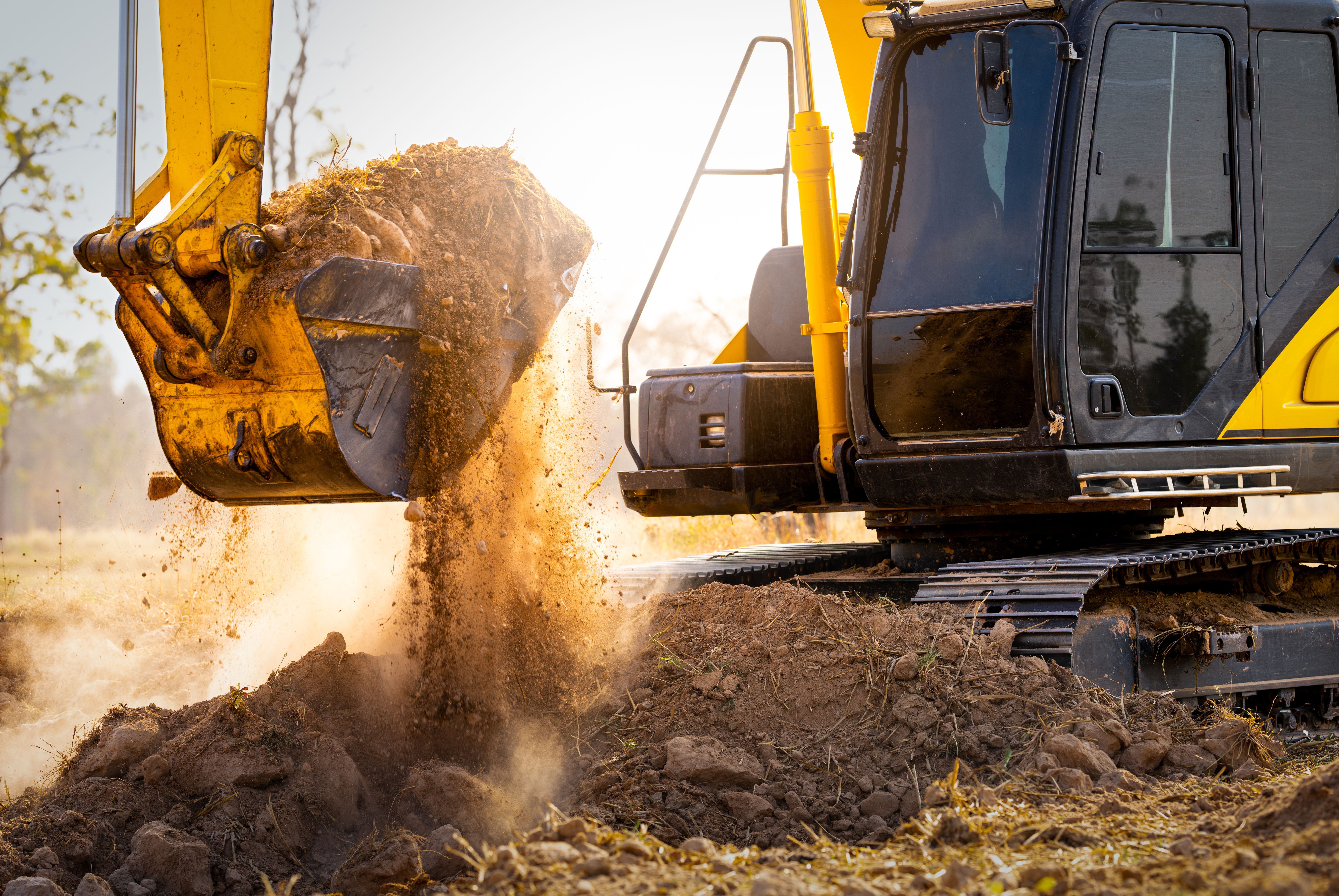
Selecting the appropriate equipment is crucial for a smooth demolition. Depending on the structure's size and complexity, you might need machinery like excavators, bulldozers, or wrecking balls. Renting equipment can be a cost-effective option if you don't own the necessary tools.
Ensure that all machinery is operated by trained professionals to prevent accidents. Proper handling of equipment not only improves efficiency but also enhances safety on the site.
The Demolition Process
The actual demolition can begin once everything is in place. Start by disconnecting utilities such as water, electricity, and gas. This prevents any accidents during the demolition. Follow the plan meticulously, and proceed with caution.
During demolition, focus on salvaging materials that can be reused or recycled. This not only reduces waste but also aligns with sustainable building practices. Keep communication open with your team to ensure everyone is on the same page.
Post-Demolition Clean-Up
After the demolition, a thorough clean-up of the site is necessary. Remove debris and dispose of it according to local regulations. This step is crucial for preparing the site for future construction or landscaping.
Consider hiring a professional cleaning crew if the project is extensive. They can efficiently handle the clean-up, allowing you to focus on the next stages of your project.
Conclusion
Residential demolition projects require careful planning and execution. By following these steps, you can ensure a safe and efficient process. Whether you're clearing space for a new build or improving an existing structure, understanding the demolition process is key to success.
Remember, each project is unique, and adapting these guidelines to your specific needs will help achieve the best results. With the right approach, residential demolition can be a smooth and rewarding experience.